In the Kingdom of God that Jesus Christ spoke of, there is no discrimination. Everyone is a rightful heir — irrespective of caste, gender, nationality, or race. Yet, within the Indian Church, caste quietly endures, shaping attitudes and hierarchies.
Indian Christians live with a contradiction: they profess faith in a Gospel that proclaims equality, while many still practise a social order born of exclusion. For Dalit Christians — those who left behind the oppressive Hindu caste system in search of dignity and freedom — the reality is painfully ironic. They often find themselves relegated to the margins even within the body of Christ.
From segregated cemeteries and pews to invisible ceilings in Church leadership and clergy positions, discrimination assumes both subtle and open forms. Despite making up nearly 75% of India’s Christian population, Dalits remain underrepresented in decision-making roles across denominations.
To confront this entrenched inequality, the National Dalit Christian Watch (NDCW) was founded in 2016 with a clear conviction: Christ and caste cannot coexist. The movement seeks to awaken the conscience of the Church, restore dignity to Dalit believers, and ensure that the message of the Gospel — of love and justice — is lived, not just preached.
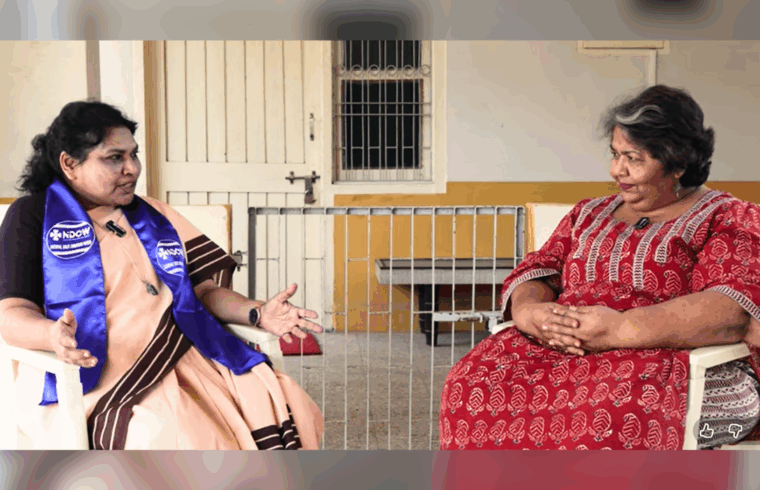
In a candid conversation with senior journalist Sonal Kellogg, Sister Manju Devarapalli, General Secretary of NDCW, lays bare the painful realities of caste within the Indian Church and the organisation’s mission to build a truly inclusive Christian community.