New Delhi: In a landmark moment for the Catholic Church in India, Cardinal Poola Anthony, the country’s first Dalit cardinal, has been elected President of the Catholic Bishops’ Conference of India (CBCI), the apex representative body of Catholic bishops. The election, held during the CBCI’s General Body Meeting in Bengaluru earlier this month, places Cardinal Poola at the helm of the Church at a time of profound social, political, and internal challenges.
For many Dalit Catholics, his election carries significance far beyond ecclesiastical protocol. It marks a rare moment when the leadership of the Indian Church visibly reflects the social origins of a large section of its faithful—communities that have historically remained on the margins of church power structures despite forming a numerical majority among Indian Christians.
From the Margins to the Centre
Born in 1961 in Poluru village, Andhra Pradesh, into a Dalit family that experienced caste discrimination both in society and within the Church, Poola Anthony’s journey has often been described as emblematic of Pope Francis’s vision of a Church that listens to the “peripheries.” His path—from village schools and seminary training in Andhra Pradesh to theological studies in Bengaluru and pastoral exposure in the United States—was shaped by long years of grassroots ministry.
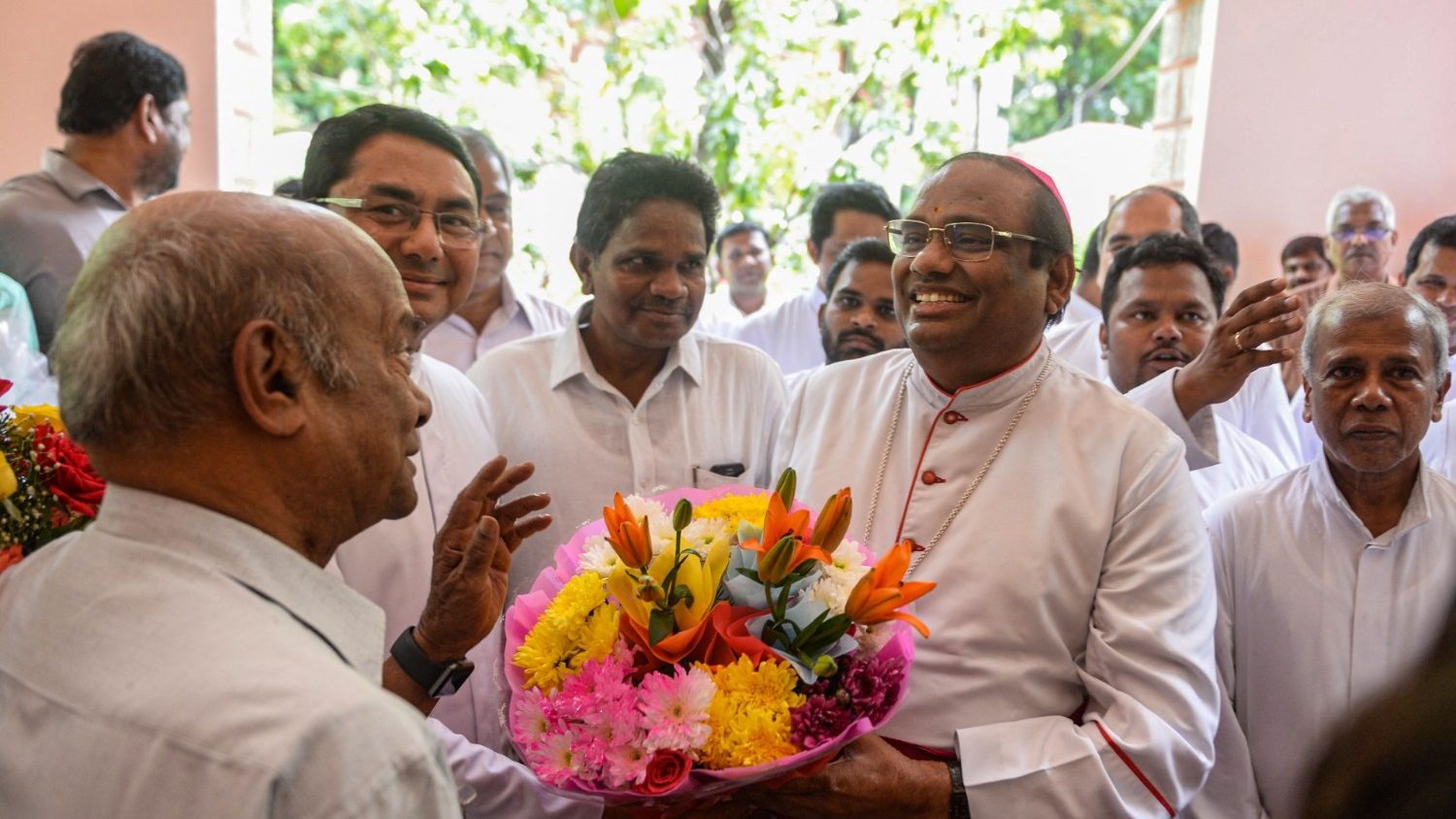
Ordained a priest in 1992, Poola went on to serve as Bishop of Kurnool and later as Archbishop of Hyderabad before being elevated to the rank of cardinal in 2022—a first for a Dalit Catholic in India. His episcopal motto, “Good News to the Poor,” has often been cited as a reflection of his pastoral priorities: humility, social justice, and accompaniment of the marginalised.
The CBCI, in its official communication following the election, described his appointment as an affirmation of “inclusive leadership” and expressed confidence in his ability to guide the Church through a complex national moment marked by social polarisation and rising pressures on religious minorities.
A Symbolic Break in a Caste-Bound Church
Caste discrimination within the Indian Church—though often spoken of in hushed tones—has been extensively documented by theologians, activists, and even Church commissions. Dalit Christians have long pointed to patterns of exclusion: limited access to leadership roles, segregation in cemeteries in some regions, and underrepresentation in seminaries and episcopal appointments.
Against this backdrop, Cardinal Poola’s election has been widely described as historic, not because caste should define leadership, but because caste has historically restricted it.
Dalit Christian organisations welcomed the development with hope. In a statement, the National Dalit Christian Watch (NDCW) said the elevation of Cardinal Poola “represents a moment of encouragement for marginalised communities within the Church,” expressing hope that his leadership would strengthen the Church’s moral voice against caste-based discrimination and social exclusion. The organisation stopped short of making demands but stressed the need for the Church to embody constitutional values of equality and fraternity.
Reactions from Telugu Catholic communities, particularly in Andhra Pradesh and Telangana, were marked by pride and emotional resonance. Many described the moment as deeply affirming, seeing in Poola’s rise a reflection of their own histories of struggle and faith.
Leadership Amid External Pressures
Cardinal Poola assumes office at a time when Indian Christians face growing scrutiny—through anti-conversion laws in several states, attacks on pastors and prayer meetings, and legal uncertainty around religious freedom. Church leaders have increasingly been called upon not only to shepherd the faithful but also to navigate fraught relationships with the state and civil society.
Also read: First Dalit Cardinal: My mission, help as many poor children as possible
Observers note that Poola’s pastoral temperament—measured, non-confrontational, yet firm on questions of dignity—may shape a leadership style that seeks dialogue without retreating from moral clarity.
Catholic commentators have also pointed out that his election reflects a broader shift within the global Church under Pope Leo XIV, which has increasingly elevated leaders from historically marginalised communities, challenging entrenched hierarchies both within and outside ecclesial institutions.
Beyond Representation
While many have celebrated the symbolism of the moment, Dalit Christian scholars caution against viewing it as an endpoint. “Representation matters,” said a Hyderabad-based Catholic theologian, “but it must translate into structural change—seminary access, leadership training, accountability mechanisms, and honest conversations about caste within parishes.”
Cardinal Poola himself has often spoken about leadership as service rather than status. In earlier interviews, he has emphasised that the Church’s credibility lies in its closeness to the poor, not in proximity to power.
As he begins his tenure as CBCI president, expectations are inevitably high. For Dalit Catholics, his election carries the promise—still fragile, still unfolding—of a Church more willing to confront its own contradictions. For the wider Catholic community, it offers an opportunity to reimagine leadership not as inheritance, but as vocation.
Whether this historic moment leads to deeper transformation within the Indian Church remains to be seen. But for now, Cardinal Poola Anthony’s rise stands as a powerful reminder that voices once pushed to the margins can, at times, find their way to the centre—carrying with them the hopes of many who have long waited to be seen.